Equipment Reviews
Honest reviews of the gear we use in our shrimp keeping journey. From tanks to test kits, we share what works for us.
Filters & Filtration(3)

hygger Aquarium Double Sponge Filters
Continuing the theme of Hygger as a top-tier curator of equipment, their Double Sponge Filter with Media Containers is another solid addition to any fish room. While it performs perfectly well as a standard air-driven filter, I’ve found that its true potential is unlocked with a simple hobbyist upgrade. After running two of these units connected to Aquael Pat Mini powerheads, the difference in performance was night and day.
The Good: Modular and Robust
Superior Build: Just like the USB versions, the plastic and sponges feel high-quality and durable. It doesn't have the "brittle" feel of generic no-name sponge filters.
Dual Action: The twin-filter design provides a massive surface area for beneficial bacteria, while the integrated media containers allow you to run your choice of biological or chemical media.
Powerhead Ready: The internal pipework is surprisingly compatible with small powerheads. Replacing the air line with a Pat Mini transforms this from a gentle bubbler into a high-turnover mechanical and biological powerhouse.
The Reality: Know Your Flow
Air Performance is "Just Okay": If you run this strictly on air, it’s a standard, reliable sponge filter. It’s "decent," but it won't blow you away in larger or heavily stocked tanks without that extra push.
Upgrade the Media: As with most Hygger kits, the included ceramic balls are basic. You’ll get much better results swapping them out for premium sintered glass or high-porosity biological media.
Visual Footprint: It is a large unit. While the double sponges are great for filtration, they take up a fair amount of real estate in a smaller tank, so plan your hardscape accordingly.
The Verdict The Hygger Double Sponge Filter is a fantastic "foundation" piece of kit. On its own, it’s a reliable 4-star filter, but once you add a powerhead, it becomes one of the most effective internal filters you can buy for the money. It’s another example of Hygger providing "good stuff" that rewards a little bit of hobbyist ingenuity.
Image property of Hygger, used for review purposes under Fair Dealing (Section 51, CRRA 2000).

hygger USB Electric Aquarium Single and Double Sponge Filters
Hygger has built a solid reputation as a curator of high-quality equipment sourced from China, and their USB Single and Double Sponge Filters are no exception. After running three of these units across different setups, I’ve found them to be a decent, well-built alternative to traditional air-driven sponges. Whether you go for the single or double version, the sentiment remains the same: they are built with purpose, even if the marketing overpromises slightly on tank size.
The Good: Quality and Versatility
Decent Build Quality: As expected from Hygger, the materials feel sturdy and far from "cheap," providing a reliable housing for your biological filtration.
Shrimp Safe: The flow is naturally gentle. While it's advertised for larger tanks, it is "just right" for a dedicated shrimp tank or a fry grow-out where you don't want your livestock being tossed around.
Emergency Hero: Because these run via USB, they are absolute lifesavers during power outages. You can simply plug them into a standard power bank to keep your cycle alive when the mains go out.
Flexible Output: The included drip system/spray bar works well enough to provide oxygenation without creating a whirlpool.
The Reality: Upgrades and Extras While the core unit is solid, there are a few areas where a hobbyist needs to step in:
The "Media" Problem: The included ceramic media is lackluster. To get the best performance, replacing the stock media with a high-quality brand is a necessary first-day task.
Accessory Bloat: Hygger tends to include a lot of "add-ons" in the box. While well-intentioned, many are unnecessary for a seasoned hobbyist and just end up in the spare parts bin.
Ignore the Tank Ratings: Don't be tempted to use these on large display tanks as advertised; the flow simply isn't high enough. Keep them to tanks under 40–50L for the best results.
The Verdict The Hygger USB Sponge Filter series is a "good stuff" pick for anyone running nano tanks or breeding setups. It’s a 4-star product that becomes a 5-star emergency tool the moment your power fails. If you’re willing to swap out the media and use it in correctly sized tanks, it’s a fantastic addition to the fish room.
Image property of Hygger, used for review purposes under Fair Dealing (Section 51, CRRA 2000).
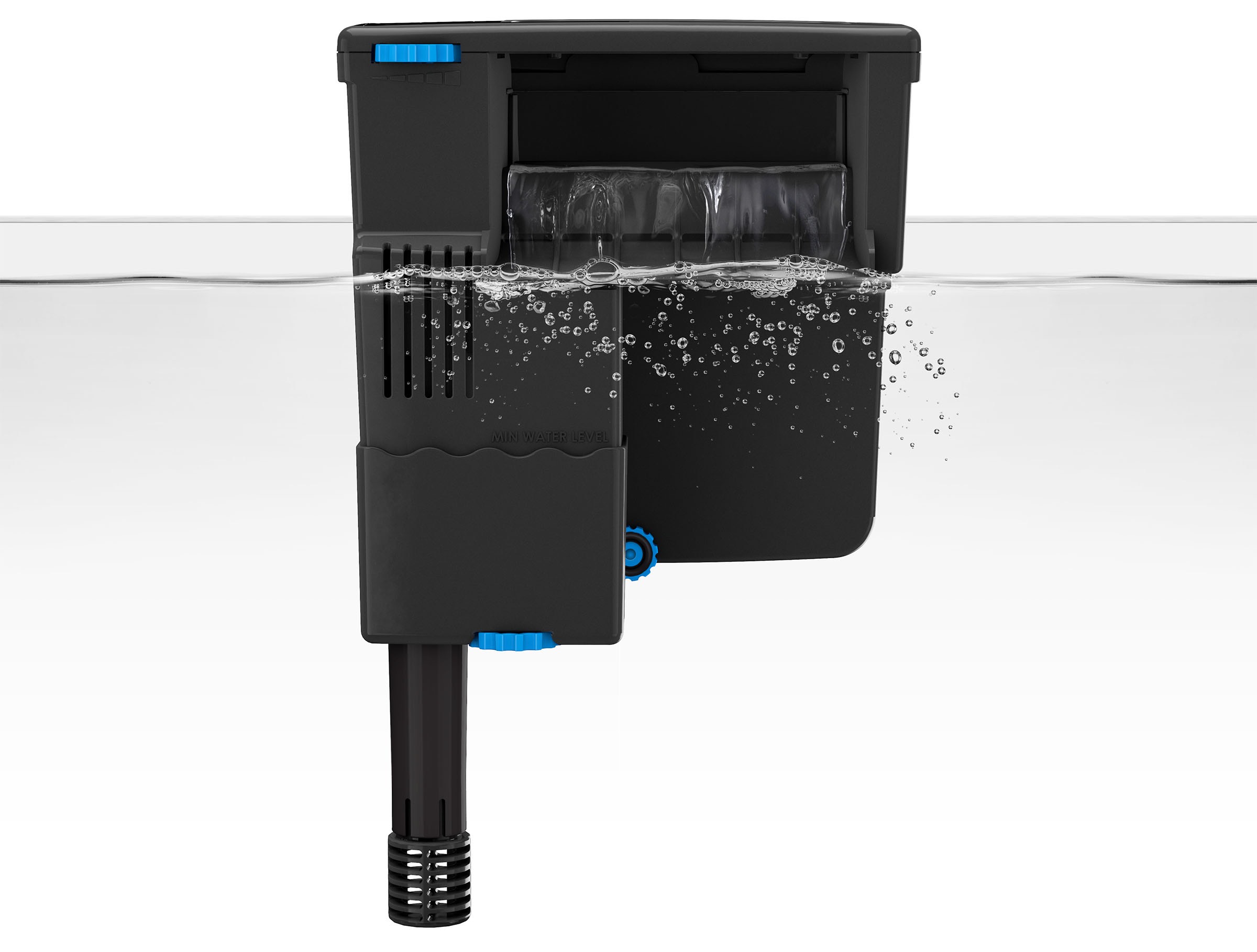
Seachem Tidal (Sicce) Filters
When I first installed the Seachem Tidal, I had high hopes. Now, a full year into continuous use, I’m checking back in to see if it actually lived up to the hype. The short answer? Mechanically, it’s a tank. However, getting it to "perfect" status required a little bit of elbow grease and some creative DIY. Here is my long-term breakdown of the Seachem Tidal experience.
The Good: Silent & Reliable
The most impressive thing after 12 months is the silence. If you keep your water level topped up, this filter is virtually undetectable.
Zero Motor Noise: No grinding, no humming.
Zero Rattling: Even after months of vibration, the housing remains snug.
Easy Maintenance: It remains one of the easiest-to-service filters I’ve ever owned.
The Reality: A Few "Required" DIY Mods
While the build quality is top-tier, the out-of-the-box design has a few quirks that might frustrate shrimp keepers or those with low-flow fish. Here is how I transformed mine from "good" to "amazing":
Shrimp-Proofing the Intake: The intake slits are quite bare. To prevent shrimp or fry from taking a one-way trip into the impeller, I tucked a small piece of coarse sponge behind the intake slits. It’s an invisible fix that saves lives.
Optimizing the Flow: I noticed the media basket slits at the bottom were a bit restrictive. To improve the flow rate and prevent bypass, I used a heated piece of metal to melt additional holes into the basket. It’s a permanent mod, but the performance boost is worth it.
Taming the Current: The output on these units is surprisingly powerful. To keep my plants from blowing over and my fish from struggling, I added a 3D-printed baffle to the lip. This breaks up the surface tension without sacrificing oxygenation.
The Verdict
The Seachem Tidal is a "hobbyist’s filter." If you want something you can set, forget, and never touch, it’s a solid choice—but if you’re willing to do twenty minutes of minor modding, it becomes the most reliable filter on the market.
Image property of Seachem Laboratories, used for review purposes under Fair Dealing (Section 51, CRRA 2000).
Substrates & Soil(2)
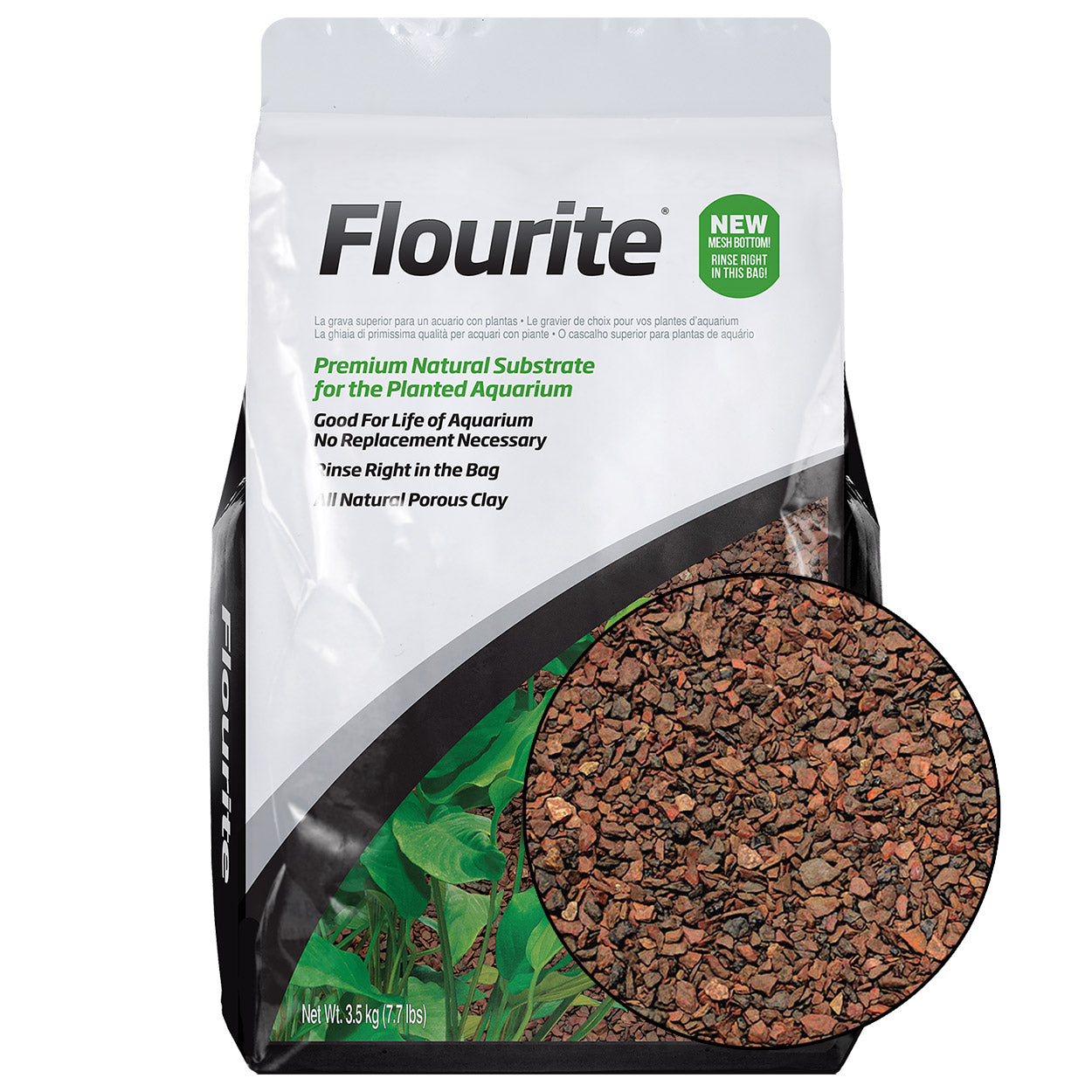
Seachem Flourite Gravel & Sand
When I first started in the aquarium hobby, I used Seachem Flourite. My tanks were rock-solid, the plants thrived, and the aesthetic was exactly what I wanted. Like many hobbyists, I eventually tried to "optimize" my costs by experimenting with cheaper substrates and DIY alternatives. While those weren't necessarily failures, the performance gap was so large that I’ve officially returned to Flourite. Now, every one of my shrimp tanks runs on a version of this substrate, and I keep a bag of both Black and Red on standby.
The Good: Beyond Just "Dirt"
High Cation Exchange Capacity (CEC): Flourite is a specially fritted porous clay that pulls nutrients from the water column and stores them for plant roots to use later.
Superior Stability for Shrimp: Unlike traditional aquasoils, which are often better for massive planted displays but can be incredibly unstable and volatile for weeks (or months) during the ammonia buffering phase, Flourite is inert and safe. It provides a stable environment where shrimp colonies can thrive from day one.
Natural Aesthetic: Whether you prefer the deep, premium look of the Black or the earthy, iron-rich tones of the Red, the texture looks incredibly natural.
The Reality: Management and Maintenance To get the most out of Flourite, you need to treat it differently than standard gravel or active soils:
The "Build-Up" Philosophy: While it's tempting to keep your substrate pristine, do not over-vacuum Flourite. You want to let organic mulm build up slightly within the top layers. This interacts with the clay's CEC to create a nutrient-rich zone.
Supplement with Root Tabs: While Flourite is great at holding nutrients, it isn't pre-loaded like an aquasoil. For heavy root-feeders, I highly recommend tucking Seachem Flourite Tabs into the bed.
Hobbyist Tips & Tricks
The "Cloud" Prevention: Flourite is notoriously dusty. Do not rinse it in the tank. Rinse it thoroughly in a bucket first, or fill the tank extremely slowly over a bowl to prevent a "blackout" that takes days to settle.
Longevity: Unlike aquasoils that eventually break down into mud and lose their buffering capacity, Flourite lasts forever. You will never need to replace it.
The Verdict Seachem Flourite is the definition of "buy once, cry once." It’s a premium investment, but the stability it provides—especially for sensitive shrimp—is worth every cent. It outperfomed every budget hack I tried, providing a safer, more permanent foundation than many high-maintenance aquasoils.
Image property of Seachem, used for review purposes under Fair Dealing (Section 51, CRRA 2000).
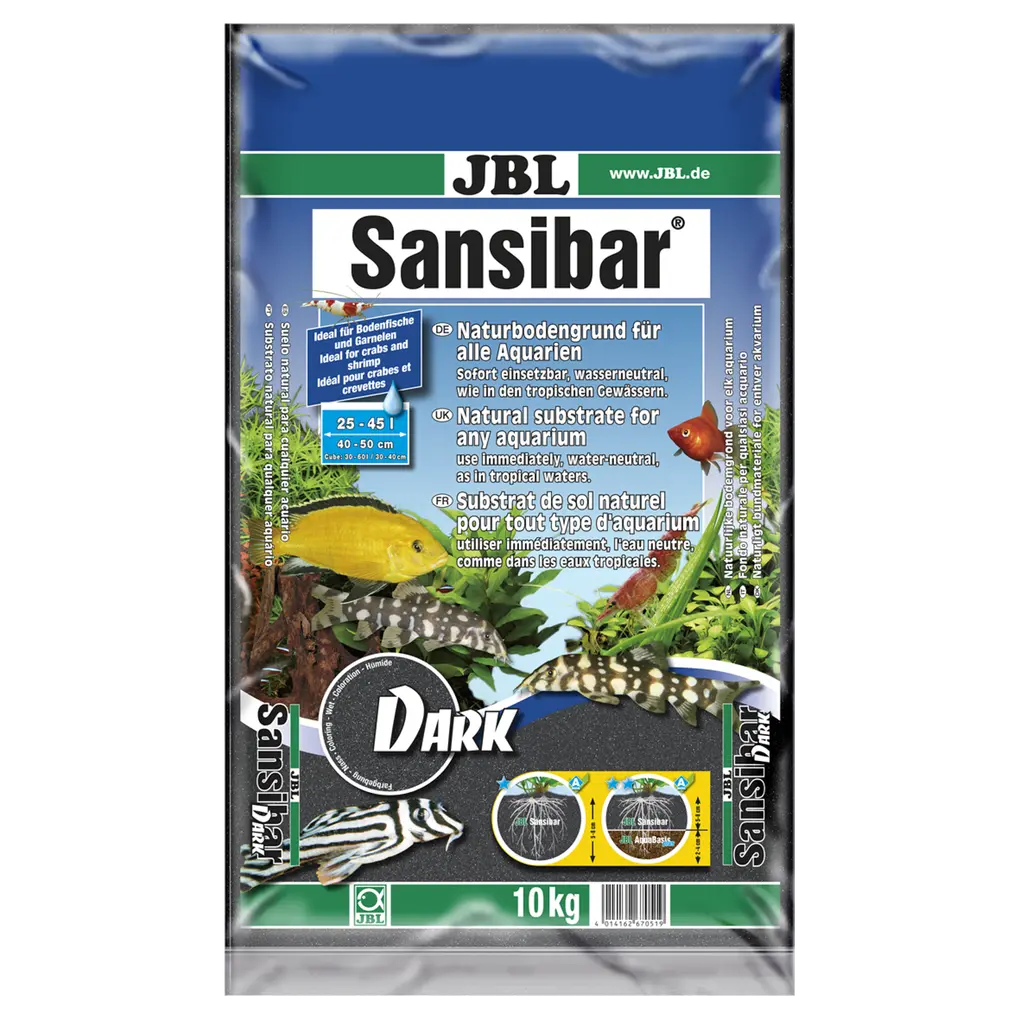
JBL Sansibar
When setting up a new scape, the substrate is arguably your most important long-term decision. I recently tested JBL Sansibar DARK, a natural granite sand, to see if it could hold its own against premium rivals. While it delivers on performance, its out-of-the-box appearance left me wanting a bit more depth.
The Good: Functional & Safe
Safe for Bottom Dwellers: The fine, rounded grains (0.2–0.6 mm) are incredibly gentle, making it a perfect choice for sensitive species like Corydoras or Loaches.
Clean & Inert: It doesn't release pollutants or significantly alter water chemistry, providing a stable environment for both fish and plants.
Dense Foundation: The fine granulation prevents mulm and waste from seeping deep into the bed, keeping the internal substrate cleaner over time.
The Reality: The "Aesthetic" Gap From a purely visual standpoint, I found the "Dark" finish to be slightly underwhelming when compared to high-end alternatives.
Lacks Visual "Pop": It doesn't quite have the deep, premium saturated look of something like Seachem Flourite Black.
Underwhelming Standalone: On its own, the colour can look a bit "flat" under high-intensity lighting.
The Hobbyist’s Hack: The "Capped" Foundation Because I wasn't fully satisfied with the visual finish but loved the price and functionality, I found a perfect workaround:
I used the JBL Sansibar DARK as my primary volume to fill the tank cost-effectively, then capped it with a thin layer of Seachem Flourite Black.
This hybrid approach gave me the exact premium "top-down" appearance I wanted without the high cost of a full Flourite bed.
The Verdict JBL Sansibar DARK is a fantastic, budget-friendly "workhorse" substrate. If you are looking for a reliable base that won't harm your fish, it's a solid 4-star choice—just be prepared to mix or cap it if you are chasing a high-end, deep black aesthetic.
Image property of JBL, used for review purposes under Fair Dealing (Section 51, CRRA 2000).
Plants & Decor(3)

ARKA mySCAPE Dragon Rocks
Dragon Stone (Ohko Stone) is a staple for a reason, and the ARKA mySCAPE Dragon Rocks 5kg pack is a solid way to get that professional look delivered to your door. If you are working on a smaller scale or a nano tank, these pieces are specifically sized to give you that sense of "mountainous" scale without overwhelming the footprint of your aquarium.
The Good: Truly Inert and Intricate
Water Chemistry Safe: One of the best things about Dragon Stone—and this ARKA pack specifically—is that it is completely inert. Unlike Seiryu stone, it will not leach minerals into your water, making it the perfect choice for keeping your GH and KH stable in sensitive setups.
Deep Texture: The signature "honeycomb" holes and jagged edges provide endless planting spots for mosses and epiphytes like Anubias or Bucephalandra.
Lightweight: Because it is essentially a hardened clay/silt stone, you get more "volume" per kilogram compared to denser rocks like Seiryu or Frodo.
The Reality: Stability and Cleaning While it's a beautiful stone, there are two practical things to consider for your scape:
The Stability Factor: Because Dragon Rock is softer than traditional stone, it can be brittle. When stacking high vertical structures, I recommend using aquascaping glue and cigarette filters (or tissue) to "weld" the stones together. This ensures your mountain won't crumble during a water change.
The "Mud" Factor: These stones come out of the box packed with dried clay in the crevices. Give them a serious soak and a blast with a garden hose (or a firm toothbrush) to reveal the actual texture before putting them in the tank.
The Verdict The ARKA Dragon Rock mix is a top-tier choice for scapers who want dramatic texture without sacrificing water stability. It’s a bit of a "dirty" rock to prep, but the peace of mind knowing your water chemistry won't budge is well worth the elbow grease.
Image property of ARKA, used for review purposes under Fair Dealing (Section 51, CRRA 2000).

ARKA myScape-Rocks Seiryu Mini
If you are aiming for a classic "mini landscape" or a focused Iwagumi-style layout, the ARKA myScape Seiryu pack is a fantastic starting point. While buying rocks online can feel like a lottery, this 10kg pack offers a range of shapes and craggy textures that are often much better than what you’ll find sitting in local store bins.
The Good: Instant Scale and Texture
Classic Aesthetic: Most pieces have the deep, rugged "craggy" detail required for a professional-looking aquascape.
Good Variety: The pack provides a solid range of shapes, giving you plenty of options to find a primary focal stone or "Main Stone" for your layout.
Better than Retail Bins: The quality and selection consistently beat the picked-over remnants usually found in local stores.
The Reality: The "Inert" Question & Mixed Bags Before you drop these into your tank, there are two things every hobbyist should keep in mind:
Chemistry Matters: Unlike Frodo Rocks—which are widely considered inert and won't significantly affect your water—Seiryu stone is NOT inert. It will slowly leach calcium and carbonates into the water, raising your GH and KH levels. This is manageable with regular water changes or "active" substrates, but it is something to watch if you are keeping soft-water shrimp or sensitive plants.
The "Support" Stones: As with any natural product, you will find a few flatter or "boring" pieces in the box that lack character. Don't toss them, though—they are perfect for breaking up the substrate line or acting as "support stones" to prop up your main hardscape.
The Verdict For those looking to bypass the frustration of hunting for individual pieces, this pack is a huge time-saver. Just be prepared to set aside one or two pieces that don't fit your "main" look and stay on top of your water chemistry.
Image property of ARKA, used for review purposes under Fair Dealing (Section 51, CRRA 2000).

ARKA mySCAPE-Frodo Rocks
Finding the right hardscape can be the most frustrating part of a new build. After ordering a 10kg mix of ARKA mySCAPE-Frodo Rocks, I was pleasantly surprised by the quality. If you've ever spent hours digging through dusty bins at a local fish store only to leave empty-handed, this curated box is a game-changer.
The Good: Curated Character
Iconic Texture: Most pieces feature that rugged, "cracked" mountain look and deep grooves that Frodo stones are famous for.
Focal Point Ready: The mix provided several excellent options for a main structural element.
Natural Contrast: Once rinsed and submerged, the brownish-grey tones really "pop" against vibrant green aquatic plants.
The Reality: The Nature of the "Mixed Bag" Because you aren't hand-picking every stone, there is always a slight gamble involved with a pre-packed box.
A Few Duds: While the majority were excellent, a small percentage of the stones were a bit "boring" and flat, lacking the character of the primary pieces.
Dust Management: These require a quick, thorough rinse before they hit your tank to remove transit dust, but that’s standard practice for any rock.
The Verdict The ARKA mySCAPE box is a more convenient and often higher-quality way to build a foundation than hunting for individual pieces in person. It provides a reliable collection of stones that makes creating a natural mountain scene accessible for any hobbyist.
Image property of ARKA, used for review purposes under Fair Dealing (Section 51, CRRA 2000).
Water Testing(4)

ARKA Gel Filter
The ARKA Gel Filter is a bit of an "oddball" in the world of bacterial starters. Unlike standard liquid treatments that you pour into the water column, this is a thick gel designed to be applied directly to your sponges and biological media. While I used it in conjunction with seeded water from my established tanks—making it hard to isolate its individual impact—the results in my latest setups have been undeniably impressive.
The Good: Targeted Stability
Direct Application: The gel substance allows you to rub the bacteria directly onto the surface of your filter media. The idea is that the colonies settle immediately where they are needed most, rather than floating aimlessly in the water.
Hyper-Stability: I used this specifically on my Hamburg Matten Filters (HMF), and those tanks reached a state of "hyper-stability" remarkably quickly. If you are looking for a rock-solid biological foundation, this seems to be a very effective tool.
Trusted Strains: While not officially confirmed, it’s reasonable to assume it contains the same high-quality nitrifying strains found in Microbe-Lift Nite-Out II, just in a different delivery format.
The Reality: The "Seeding" Variable
Hard to Quantify: Because I’m a firm believer in using "old" water to jumpstart new tanks, it’s difficult to say how much of the success was the gel versus the existing bacteria. However, the speed at which these tanks matured suggests the gel provided a significant boost.
The "Wait" Period: For best results, you need to apply the gel to your media and let it sit for a few minutes before reassembling the filter and starting the flow. It adds a small extra step to your setup process compared to a simple pour-in liquid.
The Verdict If you are setting up specialized filtration like an HMF or simply want the most direct way to populate your media, ARKA Gel Filter is a solid 4-star choice. It might be unconventional, but the stability it helped create in my setups makes it a tool I’ll keep in my kit for future builds.

ARKA Xtreme Water Conditioner
When it comes to making tap water safe, most hobbyists reach for a bottle of Seachem Prime out of habit. However, after switching to ARKA Xtreme, I’ve found a new favorite for my regular water change routine. It performs the essential tasks of neutralizing chlorine, ammonia, nitrite, and heavy metals with total reliability, but with a "user experience" that I find much more comfortable for daily use.
The Good: Safety in Volume
Effective Neutralization: It does exactly what it says on the bottle—neutralizing toxic compounds instantly. My shrimp and fish show zero signs of stress after large water changes when using this.
Easier Dosing: Unlike highly concentrated conditioners where a single "extra" drop can feel like a risk in a small nano tank, ARKA Xtreme is less concentrated. This makes it much easier to measure out accurately for smaller volumes of water.
Higher Safety Margin: Because it isn't as intensely concentrated, it is much harder to accidentally overdose your tank. This provides a great peace of mind, especially for beginners or those of us maintaining multiple small breeding setups.
The Reality: Volume vs. Concentration
Usage Rate: Because it is less concentrated than something like Prime, you will go through a bottle slightly faster. However, the ease of use and the reduction in dosing errors make this a trade-off I am more than happy to make.
Standard Protection: It covers all the bases—chlorine, chloramines, and heavy metals—ensuring your Irish tap water is safe for even the most sensitive inhabitants.
The Verdict The ARKA Xtreme is a fantastic water conditioner that works splendidly without the "fiddliness" of ultra-concentrated formulas. It’s a 5-star product for anyone who wants a reliable, easy-to-dose safety net for their aquarium.
Image property of ARKA, used for review purposes under Fair Dealing (Section 51, CRRA 2000).

Microbe-Lift Nite-Out II
If you’ve been in the hobby for a while, you know the frustration of "bottled bacteria" that promises an instant cycle but leaves you staring at ammonia spikes for weeks. After spending nearly €100 testing everything from Fluval to Dr. Tim’s and Fritz with no luck, I finally tried ARKA Core Special Blend. It is, quite simply, in a league of its own.
The Good: Unrivalled Performance
Rapid Cycling: I had a tank stuck at 2.5 ppm ammonia for weeks. After adding this, the ammonia and nitrites dropped to 1 ppm within 24 hours.
Full Stability in 36 Hours: By day two, after a second dose and re-dosing ammonia to 3 ppm, the tank read a perfect 0 ppm ammonia, 0 ppm nitrites, and showed clear nitrates.
Proven Reliability: Unlike competitors like Safestart, this was the only product that actually established a bio-filter in a measurable, record-breaking timeframe.
The Reality: A Fair Warning for Your Nose While the performance is 5-star, there is one "feature" you can't ignore:
The Odor: To put it bluntly—it reeks. When you open the bottle, "noses be ware." However, in the world of beneficial bacteria, a strong sulfur-like smell is often a sign of a live, active culture.
Dosage Flex: I found that adding slightly more than the recommended dose on Day 1 provided the "kickstart" needed to break a stalled cycle.
The Verdict Stop wasting money on big-brand starters that don't deliver. If you are struggling to get a tank cycled or are dealing with a stalled bio-filter, ARKA Special Blend is the nuclear option. It smells terrible, but it works splendidly.
Image property of ARKA, used for review purposes under Fair Dealing (Section 51, CRRA 2000).
Tools & Accessories(2)
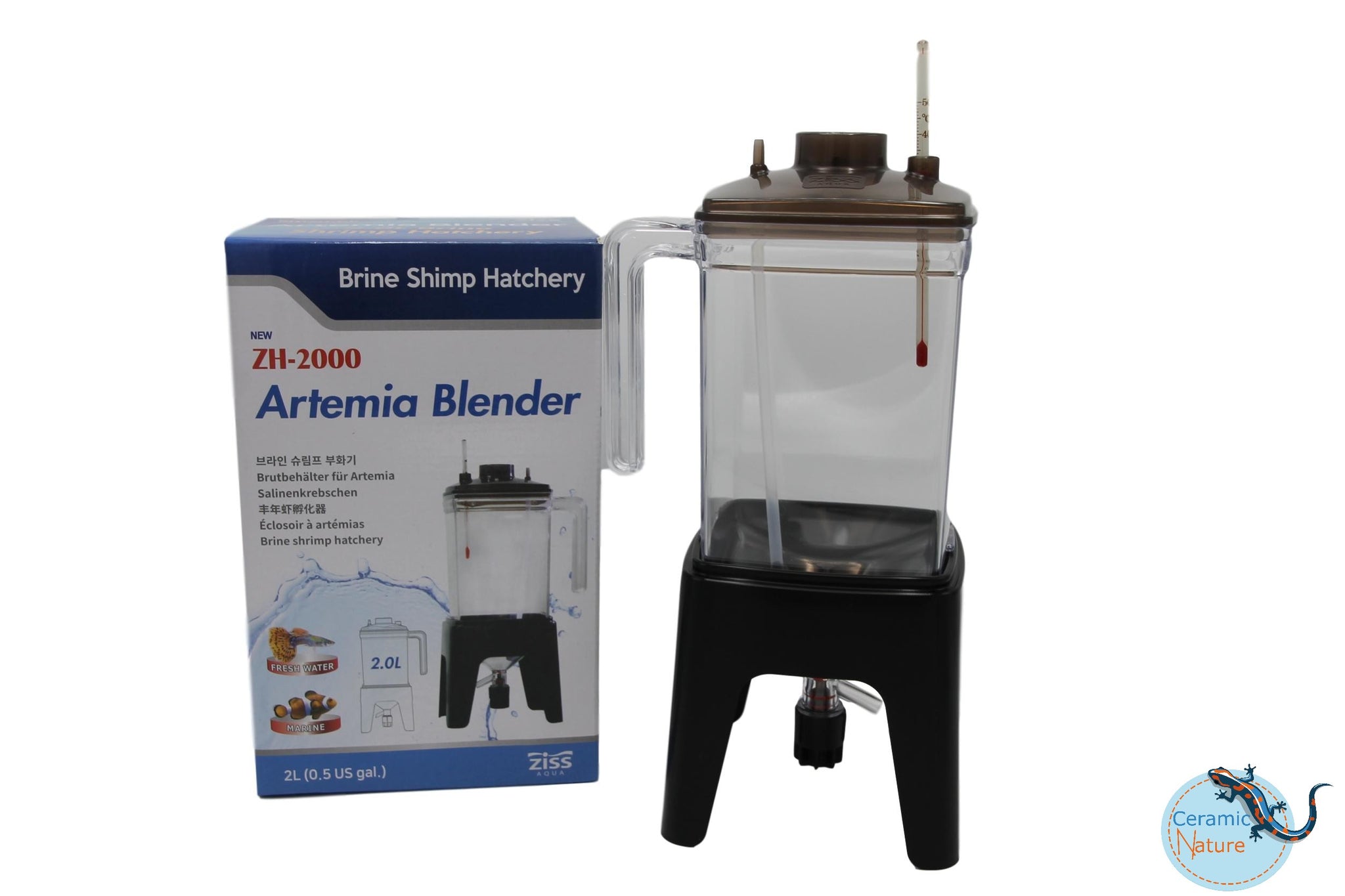
Ziss Aqua ZH-2000
If you are serious about breeding or raising fry, you eventually graduate from DIY plastic bottles to a dedicated hatchery. I recently put the Ziss Aqua ZH-2000 Artemia Blender to work, and it is a night-and-day difference. While it’s a larger investment than a soda bottle, the quality of life improvements—and the success rate of my hatches—make it worth every cent for a busy hobbyist.
The Good: Built for Success
Massive Capacity: The 2-litre container is perfect for those running multiple grow-out tanks.
Heater Integration: One of its best design choices is the recess in the lid for a standard heater. This keeps the water at a steady 26–28°C, which is the "sweet spot" for a 24-hour hatch.
Rock-Solid Build: It feels premium. The plastic is thick and crystal clear, sitting in a very stable one-piece stand that won't tip over.
Precise Air Control: The needle valve and Ziss air stone allow you to tune the bubble rate perfectly to keep the eggs in constant motion without being too violent.
The Reality: A Few "Missing" Essentials While the unit itself is top-tier, you need to be aware of what isn't in the box:
Bring Your Own Gear: You will need to provide your own air pump, heater, and eggs. Finding the "right" heater can be a bit of a trial-and-error process as some are too long or wide for the slot.
The Harvest Trick: To get a clean harvest, you have to turn off the air and wait for the shells to float and the shrimp to sink.
Hobbyist Tip: Place a light source at the bottom during harvesting—the shrimp are drawn to it, making it much easier to drain them out cleanly via the bottom valve.
The Verdict The Ziss ZH-2000 is easily the best hatchery I've used. It removes the "fiddliness" of DIY setups and provides a stable, heated environment that practically guarantees a high hatch rate. If you feed live food daily, this is an essential upgrade for your fish room.
Image property of Ziss Aqua, used for review purposes under Fair Dealing (Section 51, CRRA 2000).
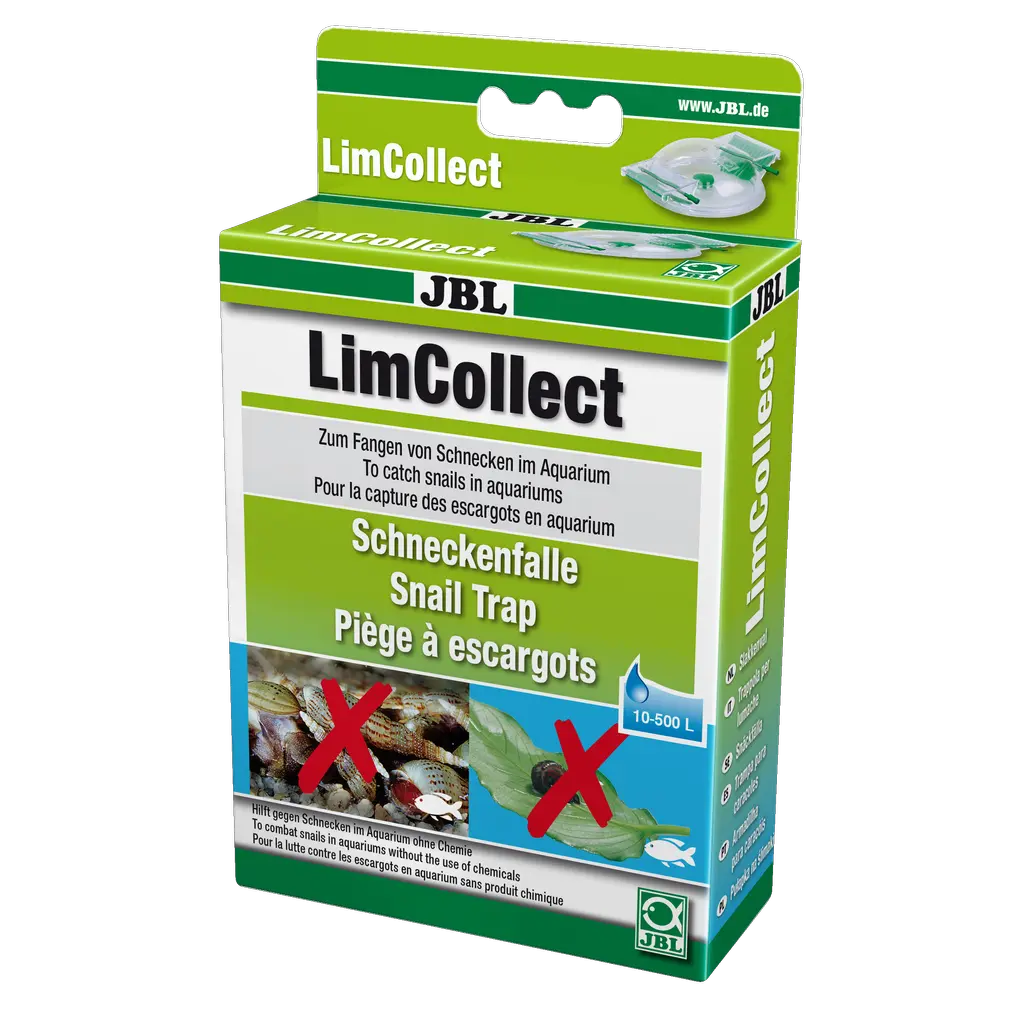
JBL Limcollect
When it comes to JBL, I usually expect "German engineering" that justifies the higher price tag. Unfortunately, after putting the JBL Limcollect to the test, I’m left feeling like I paid for a logo rather than a piece of quality kit. The short answer? It’s a flimsy disappointment. While it might catch snails, the build quality is far below what this brand usually represents.
The Good: Concepts over Construction
Variable Entrance: In theory, being able to adjust the height of the bars to prevent small fish from entering while letting snails in is a great feature.
Brand Trust: JBL usually has excellent support, though you shouldn't need it for a simple plastic trap.
The Reality: A "Premium" Item that Snaps While the design looks smart on paper, the execution feels like a cheap "Temu-tier" knockoff. Here is why this trap fell short:
Brittle Plastics: The biggest failure happened during the very first setup. I tried to adjust the internal plastic piece that controls the entrance width, and it snapped immediately. For a product marketed as a premium solution, the plastic is incredibly thin and unforgiving.
Poor Value: At this price point, you expect a certain level of durability. Instead, it feels like a generic, random piece of plastic that wouldn't be out of place in a bargain bin.
Flimsy Adjustment: The mechanism meant to customize the trap is its weakest link. If you have to handle a product with "kid gloves" just to set it up, it isn't fit for a busy hobbyist's toolkit.
The Verdict The JBL Limcollect is a major letdown from a brand I usually trust. If you're looking to clear a snail infestation, save your money. You can find almost identical traps for a fraction of the cost elsewhere; the quality won't be any worse, and you won't feel the sting of the brand-name markup when it inevitably breaks.
Image property of JBL, used for review purposes under Fair Dealing (Section 51, CRRA 2000).